Many older homes are constructed with galvanized pipes. These pipes are made with either iron or steel, and they are coated in zinc.
This durable composition allows you to get between 40 and 60 years of life out of them. However, they eventually deteriorate and must be replaced.
Quick Takeaways
- Most galvanized pipes last 40–60 years.
- Hard water, corrosion, and installation quality can shorten lifespan.
- Homes built before the 1970s likely have pipes at or past end-of-life.
- Rust buildup reduces water pressure and increases leak risk.
- Replacement with PEX or copper is the long-term solution.
- An inspection is the only way to know current condition.
What Are Galvanized Pipes?
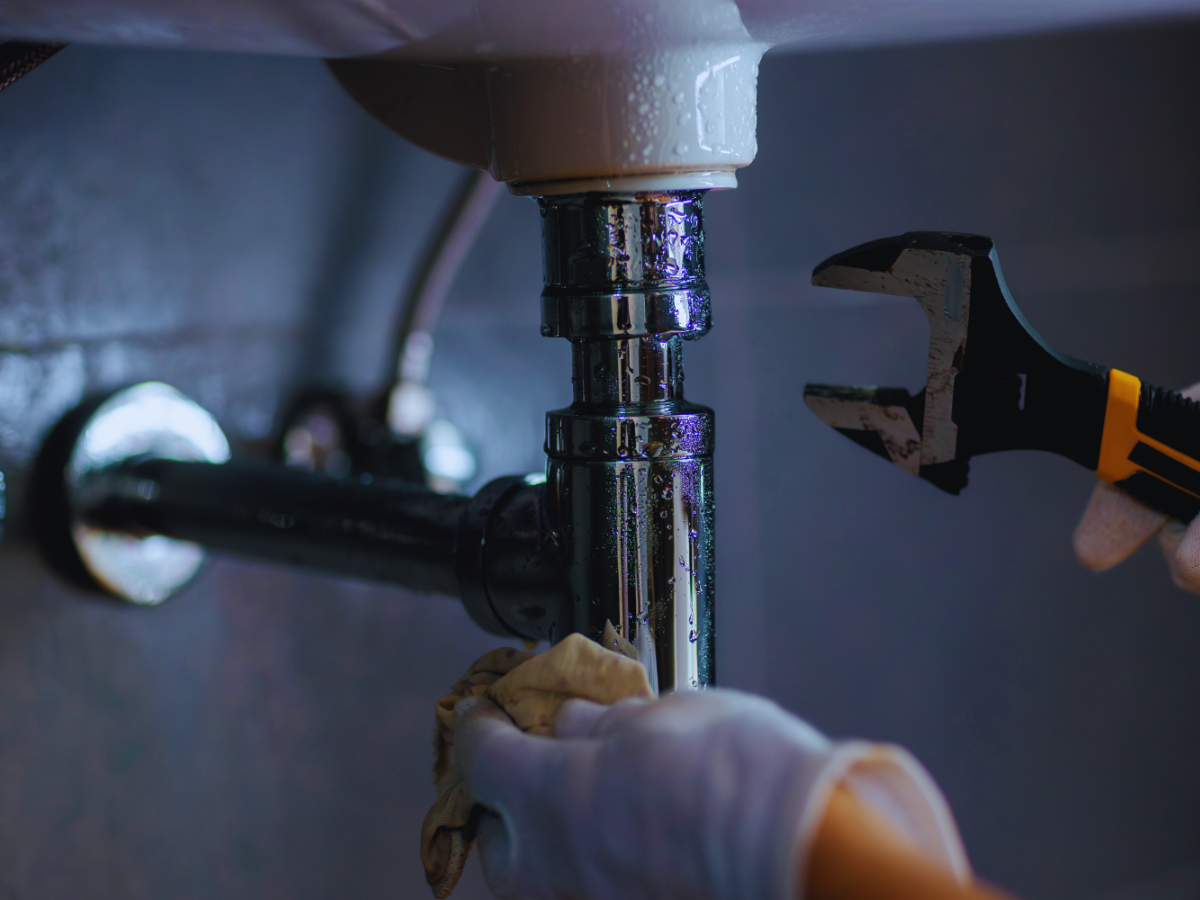 Between the 1920s and 1960s, galvanized pipes were used in construction as a replacement for lead pipes. In addition to eliminating the health hazard of lead pipes, galvanized pipes are more affordable, more durable, and easier to install than alternatives available at the time.
However, after approximately four to six decades, the zinc coating that prevents the iron or steel pipes from rusting begins to break down. As it does, lead is released into the water, and the pipes can rust. This presents a considerable health concern.
Average Lifespan of Galvanized Steel Pipes
The interior and exterior of galvanized steel pipes do not always deteriorate at the same rate. The interior of the pipe is constantly exposed to moisture, which causes faster deterioration.
The exterior, however, may not be in a damp space, and deterioration occurs more slowly. Because of this, you cannot determine the condition of your galvanized steel pipes by sight alone.
If your pipes are between 40 and 60 years old, you should request a plumbing inspection to learn more about the condition of your pipes.
Factors That Affect How Long Galvanized Pipes Last
While the humidity of the environment impacts how long galvanized pipes last, other factors are at play as well.
These factors include:
- Water hardness and mineral content
- Pipe diameter
- Installation method and joint quality
- Soil conditions for underground sections
- Age of the home and past repairs
- Water pressure levels
- Temperature and seasonal changes
Signs Your Galvanized Pipes Are Near the End of Their Lifespan
A pipe inspection is a surefire way to determine the condition of your galvanized steel pipes. However, you might also notice other warning signs.
These warning signs are:
- Low water pressure
- Rust-colored water
- Metallic tasting water
- Visible corrosion on exposed sections
- Frequent leaks or pipe failures
- Sediment in appliances or faucets
- Brown stains on sinks, tubs, or laundry
Are Galvanized Pipes Dangerous When They Age?
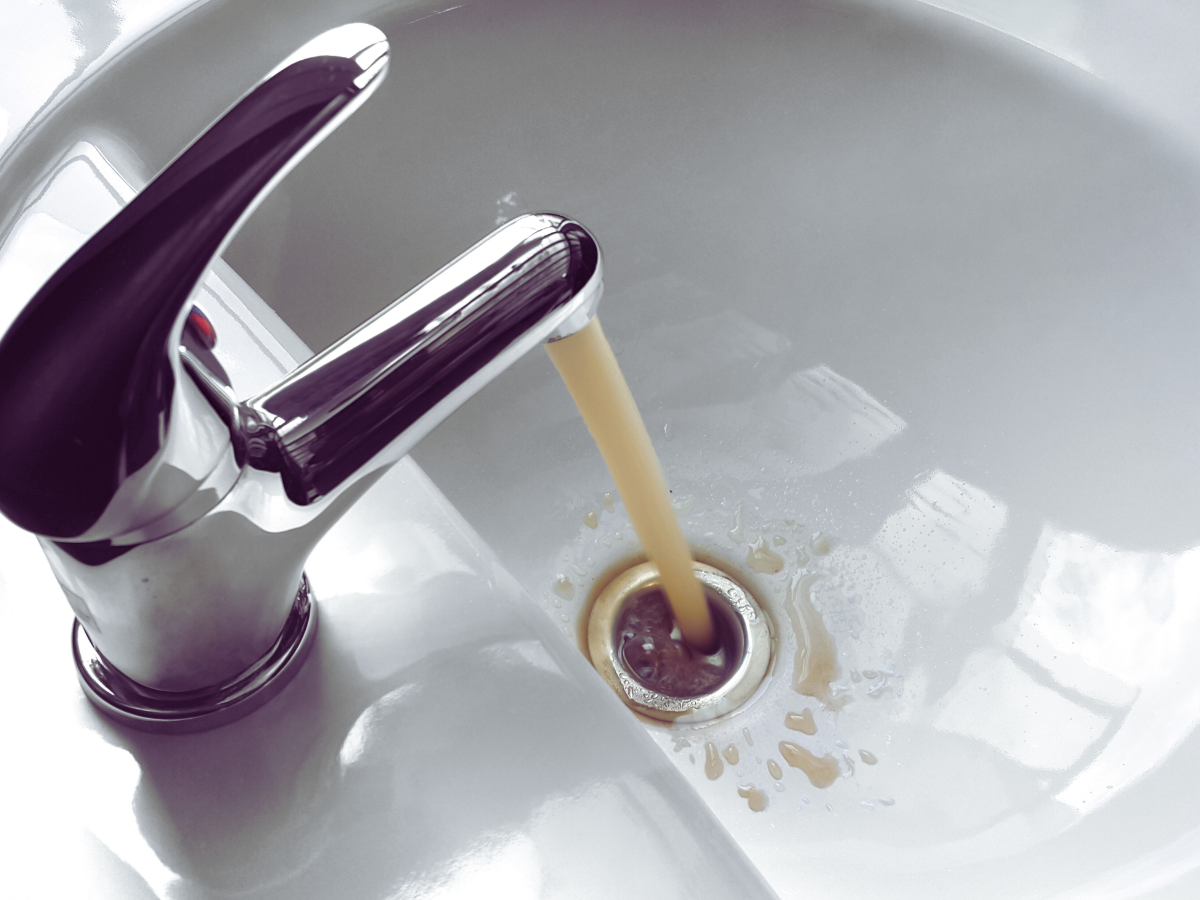 Galvanized pipes can impact water flow, appearance, and taste, but there are other significant effects of aging pipes. For example, the increased risk of plumbing leaks and pipe failures leads to potentially large home repair bills. In addition, aging pipes are a true health hazard.
- Lead contamination: As the zinc coating breaks down, lead can be released into the water. It can affect reproductive, kidney, and heart health in adults. In children, it affects behavior, development, learning, and neurological health.
- Rust buildup: The breakdown of the zinc coating exposes the steel or iron to moisture, resulting in rusting. Excessive rust consumption results in diarrhea, vomiting, and nausea.
- Bacterial growth: Exposed steel and iron pipes can also corrode. The corrosion could result in the contamination of your home’s water. Contaminating elements may include illness-causing bacteria.
- Water discoloration: In some cases, discolored water indicates excess minerals. However, it can also indicate bacteria, rust, and lead. Water discoloration should always be investigated.
- Higher likelihood of sudden pipe failure: As the galvanized steel rusts and gets corroded, its durability is impaired. In many cases, the internal buildup also increases water pressure. This combination of factors raises the risk of ruptured pipes.
When Should You Replace Galvanized Pipes?
All galvanized steel pipes have a limited lifespan, so replacement is an inevitability. Some people wait to replace their pipes until the pipes show signs of deterioration.
Because deterioration is already occurring, this symptom-based replacement is reactive. When you replace pipes based on their age and before symptoms appear, your age-based replacement is preventive.
The cost of repiping your home can be significant. Some people choose to replace the pipes in sections rather than all at once in order to save money.
However, this method may actually be more expensive. This is because you are leaving galvanized steel pipes in place for a longer period of time. This increases the risk of plumbing-related home damage.
If you choose to replace your pipes in sections, you have several materials to choose from. While PEX and PVC or CPVC can be used seamlessly with galvanized steel, copper requires careful consideration.
When copper and galvanized steel touch, they create a chemical reaction that results in more rapid corrosion. Your plumber will use a dielectric union between the copper and galvanized steel to prevent this chemical reaction.
Best Replacement Options for Galvanized Plumbing
The three primary replacement options for galvanized pipes are PEX, copper and PVC/CPVC. While they are superior to galvanized steel, they are not the same. These are their differences:
PEX: PEX pipes are made with polyethylene. This synthetic material is freeze resistant, affordable, and easy to install. Corrosion is also not problematic with this material. However, they should not be exposed to UV lighting. The lifespan is 40 to 50 years.
Copper: Copper pipes are more expensive than PEX pipes, and they are susceptible to corrosion if exposed to high acidity. Installation is also more difficult, and the pipes can freeze. However, they are resistant to fire damage and can last for 50 years or longer.
PVC/CPVC: PVC pipes are made out of polyvinyl chloride and are used for wastewater and cold water. CPVC pipes are suitable for use with hot water. They are affordable, durable, and resistant to corrosion. These pipes last for 50 to 70 years.
How Long a Full Repipe Takes (and What to Expect)
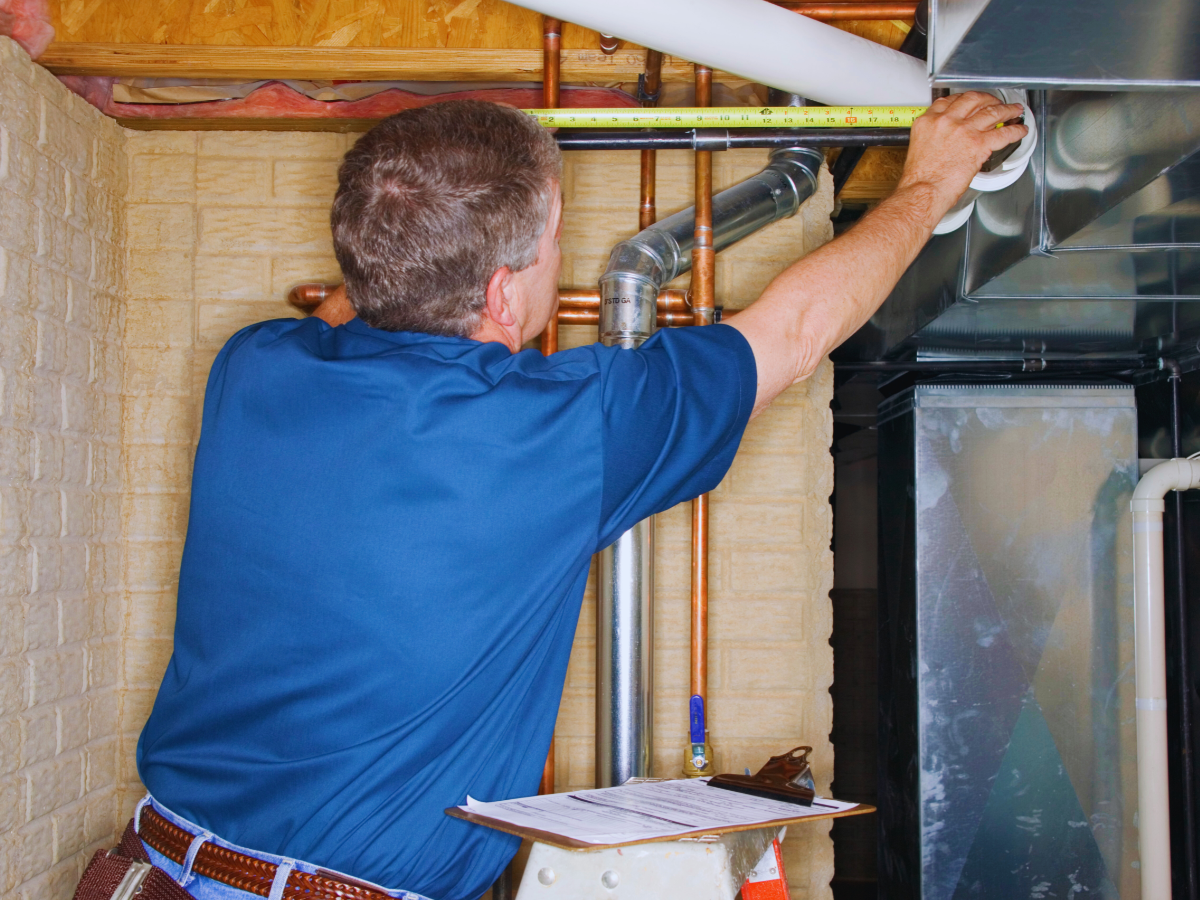 Both water quality and water pressure are impaired by aging galvanized steel pipes. Repiping immediately alleviates these issues.
However, repiping is a significant undertaking. Repiping may only take a day or two in a smaller home.
In a larger home, it can take a week or longer. Things like the pipe material and the layout of the plumbing system also impact the installation timeline.
In some cases, residents vacate the home for several days while repiping takes place. However, if the residents choose to stay, repiping may take place in stages. This can delay project completion.
The repiping process involves shutting off the home’s water supply and physically accessing the pipes. This includes cutting walls, ceilings, and floors.
After the old pipes are replaced, the new pipes are pressure-tested. Then, the access areas are repaired.
How Professionals Inspect Galvanized Pipes
Plumbers initially complete a visual inspection of the pipes to determine the material type and pipe condition. They look for bulging pipes, leaks, and water stains as well.
To inspect the interior of the pipes, they insert a small camera into the pipes. This camera inspection identifies the exact location and extent of problem areas.
The function of the plumbing system is also inspected. This is primarily done through a water quality test, which checks for rust, lead, and bacteria.
Water pressure and flow are also checked. These tests reveal rust and mineral buildup in the pipes.
FAQ: How Long Do Galvanized Pipes Last?
What year did homes stop using galvanized pipes?
Galvanized steel pipes were most prevalent between the 1920s and 1960s. However, this material was used on a more limited basis until 1990.
Can galvanized pipes last 100 years?
The lifespan for galvanized pipes is approximately 40 to 60 years. These pipes will need to be replaced within this timeframe.
Are galvanized pipes safe for drinking water?
Galvanized pipes that are in good condition are safe for drinking water. However, they pose a health risk once they begin to deteriorate.
What is the biggest sign my galvanized pipes are failing?
The most significant signs of failing galvanized pipes are lower water pressure, rust, and discolored water.
How do I know if my home still has galvanized plumbing?
You can test your home’s pipes by placing a strong magnet on exposed pipes. If the magnet sticks, you likely have galvanized plumbing. Because your home may have been partially repiped, however, it is important to request a professional plumbing inspection.
Should I replace galvanized pipes before they leak?
Yes, you should replace galvanized pipes either based on age or at the first sign of an issue. Leaking galvanized pipes indicate significant damage and also can result in significant property damage.
What is the best replacement for galvanized pipes?
PEX is most commonly used to replace galvanized pipes. This is because it can be used for both hot and cold water, is affordable and easy to install, and resists corrosion.
Call the Punctual Plumbers for Expert Plumbing Repairs
 Proactive replacement is generally better than reactive replacement. With proactive replacement, you can plan ahead for the disruption in your home life and budget accordingly. You can also minimize exposure to health risks and leak-related water damage.
If your galvanized pipes are approaching 40 years of age, our professional plumbers at Birmingham Benjamin Franklin can complete an inspection and provide you with a repiping quote. Our punctual plumbers in Birmingham, AL are ready to visit your home soon, so make an appointment with us today.