Birmingham storms don’t mess around. One minute it’s clear and sunny, and the next thing you know your street’s flooding and your basement’s filling up with water. When that happens, your sump pump is the only thing standing between a damp floor and an indoor swimming pool.
But how long can you actually count on that pump? Most units run for 7 to 10 years before they start failing, though pedestal models can sometimes push past 15 years with good upkeep. Unfortunately, a lot of homeowners don’t think about their pump until it’s already dead — usually in the middle of a downpour.
If your sump pump’s getting up there in age, it’s worth dealing with now rather than waiting for the next big storm to force your hand.
 Quick Takeaways
- Sump pumps have an expected lifespan of around 7 to 10 years.
- Pedestal pumps generally last a few years longer than submersible units.
- Heavy use, frequent power outages and poor maintenance lead to shorter lifespans.
- Most sump pumps show signs of trouble before completely giving out.
- Regular testing and inspections can uncover problems before they cause breakdowns.
- Proactively replacing older pumps helps prevent water damage and provides peace of mind.
Average Sump Pump Lifespan by Type
The type of sump pump installed in your home plays a major role in how long you can expect it to last. The two primary options — submersible and pedestal pumps — have several key differences, and their designs directly affect durability, maintenance needs and overall lifespan.
Submersible Sump Pumps
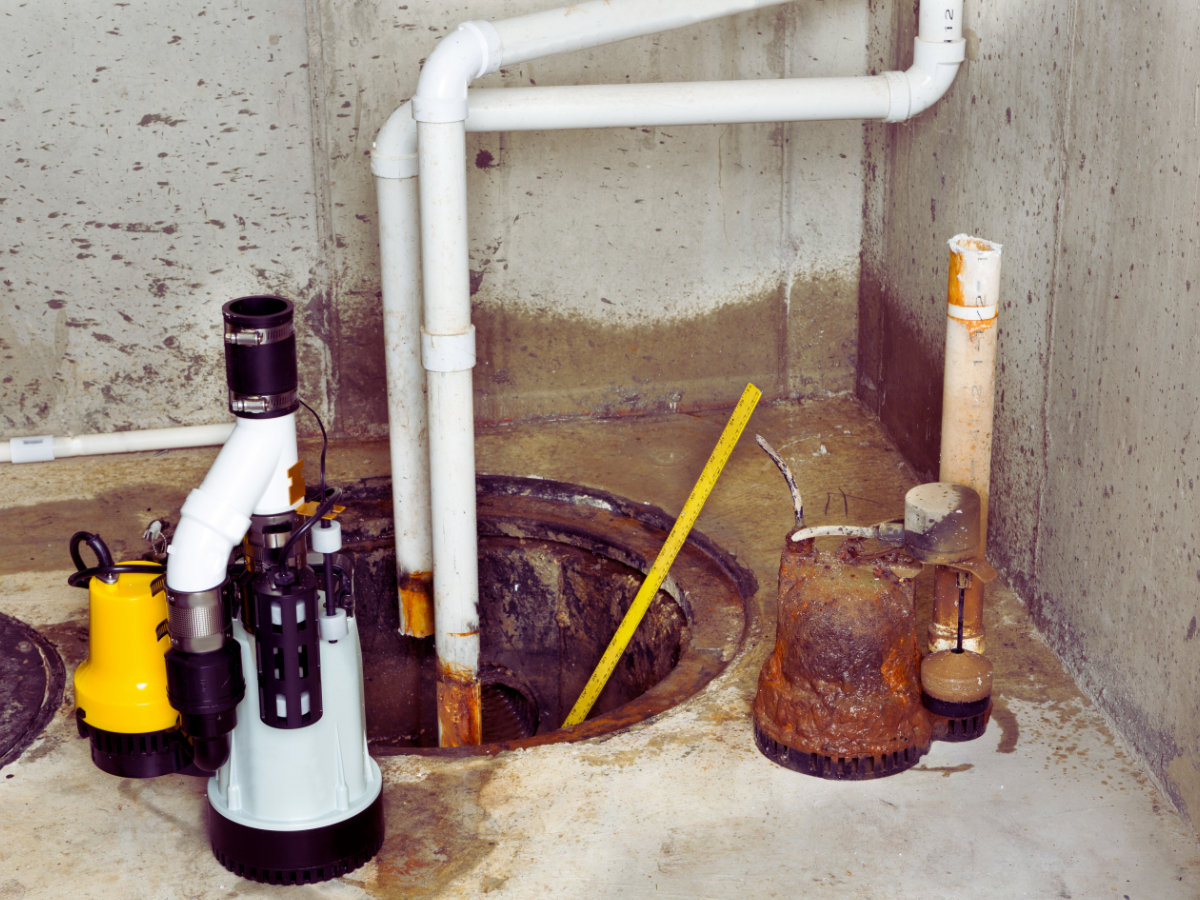
Submersible pumps tend to wear out more quickly, typically requiring replacement within 7 to 10 years. They’re designed to be sealed directly inside the sump pit, leaving the motor fully submerged. Over time, this constant exposure to moisture, sediment and debris takes a heavy toll on bearings, seals, electrical connections and other components.
But it’s not all bad news. Submersible pumps are relatively quiet, inconspicuous and space-efficient, making them ideal for finished basements. They also excel at moving large volumes of water quickly, which is especially important for flood-prone homes.
Pedestal Sump Pumps
Pedestal pumps protect the motor by elevating it above the sump pit, resulting in a longer lifespan of 10 to 15 years. With regular upkeep, some high-quality models can even crack the quarter-century mark. Pedestal pumps can also fit into smaller, shallower pits than their submersible counterparts.
On the flipside, they’re much louder and more visible, so they’re often relegated to unfinished basements and utility areas. They can handle moderate, intermittent flooding with ease, but they may struggle to keep pace with rapid or frequent water accumulation.
What Affects a Sump Pump’s Service Life?
While average lifespans can give you some idea of how long your sump pump will last, every situation is unique. A whole host of factors can influence your pump’s expected service life, including:
- Workload: Pumps that run after every rainfall naturally wear out faster than those that only fire up occasionally. Poor drainage and high water tables really keep pumps working overtime, dramatically decreasing longevity.
- Build Quality: Sump pumps are subjected to significant stress, and some units just aren’t built to handle it. Cheaper models often use inferior materials and undergo less stringent quality control, resulting in a higher failure rate.
- Proper Sizing: A pump that’s too small may run all the time, burning out much faster than expected. Bigger isn’t always better, though. Oversized pumps are prone to short-cycling, so it pays to do your homework and ensure your system’s accurately sized to match your needs.
- Routine Maintenance: Pretty simple, right? The better you care for your equipment, the longer it’ll last. Ideally, this should include having your pump professionally cleaned and inspected annually and testing it every few months by pouring a bucket of water into the sump pit.
- Sump Pit Sediment: It’s a dirty job, but keeping your sump pit clean can pay serious dividends. Sediment makes water harder to pump, putting added strain on the motor. Dirt, gravel and other debris can also clog the intake, damage the impeller, jam the float switch or back up the discharge line.
- Power Disruptions: Losing power during a storm can knock your sump pump offline right when you need it most, allowing water to pile up and forcing the system to run nonstop once service is restored. Sudden power surges can be even worse, overheating the motor and even frying wires, switches and electrical connections.
Signs You May Need a Sump Pump Replacement
A torrential rainstorm is not a good time to find out your aging sump pump has finally kicked the bucket. Thankfully, total pump failures seldom happen without warning. If you spot any of the following red flags, it’s time to plan ahead and schedule a sump pump replacement before it’s too late:
- The pump runs continuously or frequently cycles on and off.
- You hear grinding, rattling or whining noises or feel excessive vibration.
- There’s visible corrosion on the pump housing or fittings.
- The pump’s moving water too slowly or leaving standing water behind.
- Repair calls are becoming more frequent or expensive.
- The pump is nearing the end of its expected service life.
How To Make Your Sump Pump Last Longer
A little care can go a long way in helping your sump pump reach its maximum service life. It’s easier and more affordable than you might think, so what are you waiting for? Roll up your sleeves and get started:
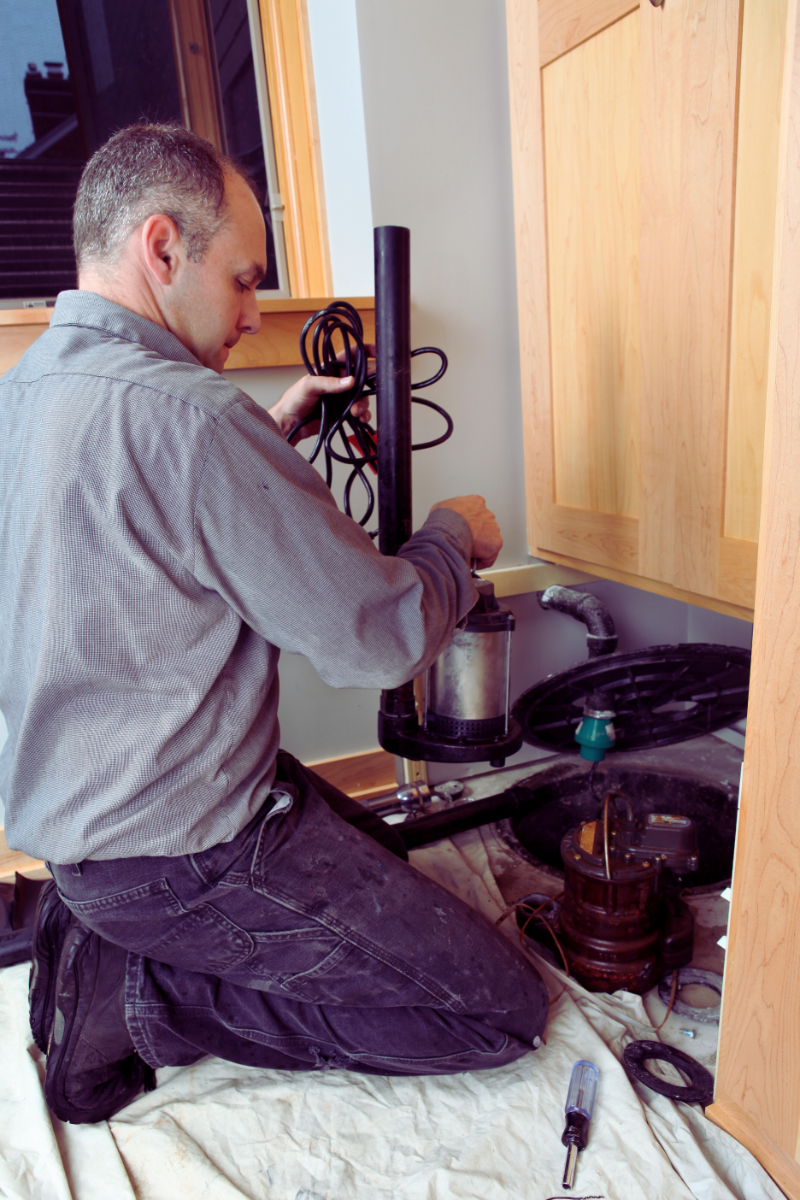 Test It Regularly: Keep tabs on your pump by dumping a bucket of water into the sump basin every few months. If all is well, it should fire up immediately, quickly empty the pit and shut off as soon as the water’s gone.
- Clean the Sump Pit: A wet/dry vacuum, a stiff brush and a 1:1 mix of warm water and white vinegar are all you need to give your sump pit a thorough cleaning. Remove any sludge or solid debris, scrub the walls and pump housing and give everything a good rinse with fresh water. Repeat the process at least once a year, and check the pit periodically to ensure it stays clean.
- Inspect the Discharge Line: Mud and sediment tend to collect inside the discharge pipe, which can strain the pump and even send backflow spilling into your basement. To prevent this, check the line every few months and look for signs of damage or obstructions near the outlet.
- Check the Float Switch: Test the float switch periodically by manually lifting it until the motor activates. Check for any dirt or debris around the float and ensure it moves freely up and down without catching or jamming.
- Get a Battery Backup: Heavy rains and power outages often go hand in hand, but a battery backup can keep your pump running even when the grid goes dark. Not only does this reduce the risk of flooding, but it eases the burden on your pump and prevents unnecessary wear and tear.
- Schedule Annual Inspections: No matter how well you care for your sump pump, something’s bound to go wrong eventually. The key is to catch minor malfunctions before they become full-blown failures. Annual plumbing inspections do exactly that, ensuring your sump pump remains healthy and reliable for as long as possible.
Should You Repair or Replace an Aging Sump Pump?
At some point in your sump pump’s life, you’re likely to face a familiar conundrum. Can you get away with making basic repairs, or has the time finally come for a full-on replacement? The decision’s not always clear-cut, so here are a few things to keep in mind.
Sump pump repairs make sense if your unit’s only a few years old and still in good condition. Common issues like defective switches, loose connections and clogged discharge lines are inexpensive to fix and rarely linked to deeper problems, so there’s not much risk in making repairs.
Sump pump replacement is usually more sensible for older units or pumps requiring major repairs. Aging sump pumps are far more likely to fail again, resulting in repeated service calls, escalating repair bills and a higher risk of water damage. Installing a replacement pump is almost always more cost-effective — not to mention less stressful.
FAQs About Sump Pump Lifespans
How often do sump pumps need to be replaced?
As a general rule, it’s best to replace sump pumps roughly every seven years to guard against untimely failures. Some pumps may need replacing sooner depending on usage, condition, quality and service history.
Can a sump pump last longer than 10 years?
Submersible pumps can sometimes last up to a decade with proper care, but not much longer. Pedestal pumps are a different story, with some well-maintained units lasting 15 to 20 years.
How do I know if my sump pump’s working properly?
To perform a simple test, slowly pour a large bucket of water into the sump pit. As the float rises, the pump should promptly activate and continue running until the water’s been evacuated. If the pump is sluggish, makes unusual noises, leaves water behind or takes too long to shut off, it’s probably time to call a professional.
Is it worth replacing a sump pump before it fails?
Yes! Replacing a working sump pump might seem like an unnecessary expense, but it’s a bargain compared to repairing water damage. Older pumps are more likely to break down unexpectedly under heavy loads, so proactive replacement is the best way to keep your home protected.
Protect Your Home Before the Next Heavy Rain
 No matter how reliable your sump pump has been, nothing lasts forever. A sudden failure can turn a rainy spring or summer deluge into a domestic disaster, leading to serious property damage and mounting repair bills. Why risk it?
If your sump pump’s seen better days, The Punctual Plumber can help. Benjamin Franklin Plumbing is your premier source for fast, affordable plumbing services throughout the Birmingham area, from expert inspections and repairs to high-quality sump pump replacement.