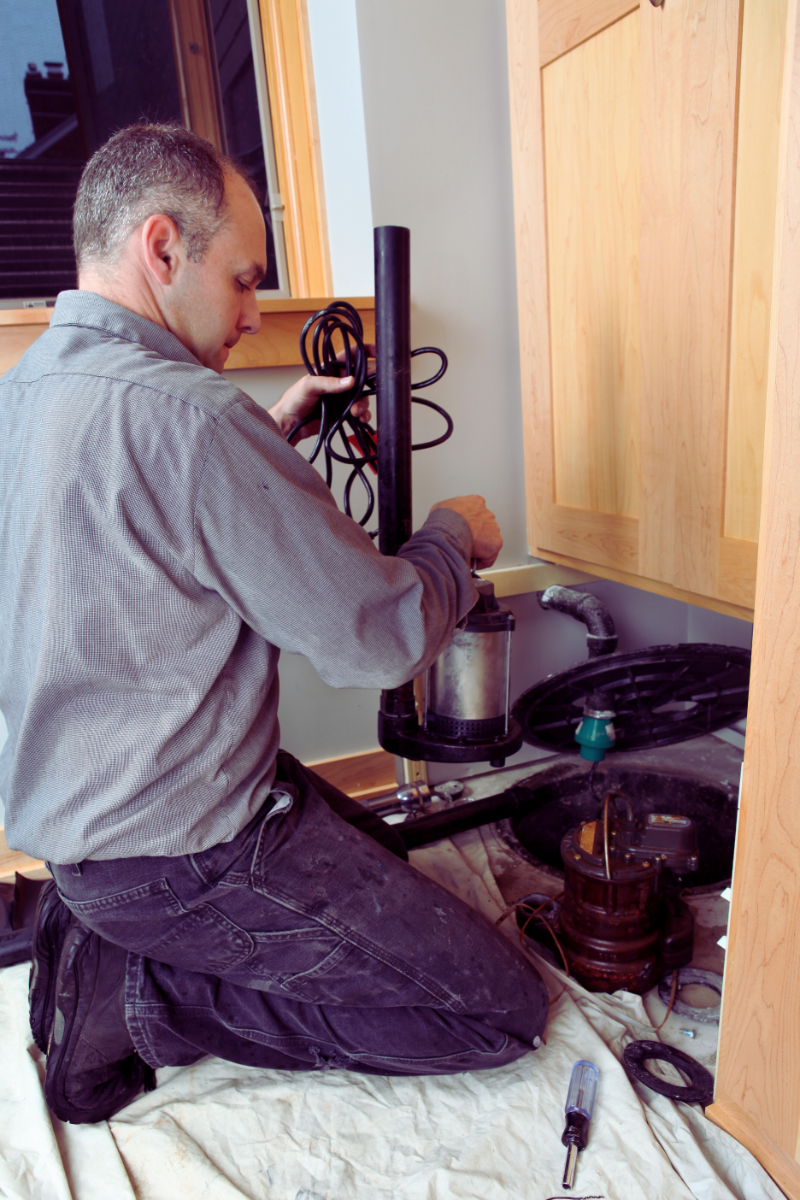
 A sump pump is an invaluable part of your home as it helps keep your basement or crawl space from flooding. For that reason, it’s important to take care of it, including repairing or replacing it if that proves necessary.
Fortunately, sump pumps often give warning signs before they fail completely. Some include constant cycling, unusual noises, rust and an inability to remove water.
You don’t want to be one of those homeowners who ignores their sump pump until a heavy storm arrives and standing water results from it. So, keep an eye on these warning signs and make routine inspections as well.
Quick Takeaways
- In many cases, sump pumps will display warning signs before breaking down.
- Don’t ignore sump pumps that vibrate, make unusual sounds or continuously run.
- A sump pump that isn’t removing water properly may completely break down when you need it most.
- Engage in regular testing to identify issues before heavy rainstorms stress it.
- In most cases, repairing or replacing a sump pump will be less expensive than dealing with flood damage.
1. Your Sump Pump Makes Strange Noises
Your sump pump making unusual noises is a definite warning sign. Grinding or rattling could mean that there’s debris inside or parts are worn out.
If it’s humming without pumping, it may be clogged or blocked. In other words, the motor may be running, but water isn’t actually being moved.
2. The Pump Runs Constantly
If your sump pump is running constantly, that could mean that there’s excess groundwater. Another possibility is your pump being undersized for where it’s being used.
Also, if your float switch is stuck or otherwise damaged, that can keep it running even if there’s no water to clear. In any case, a sump pump that’s constantly running will usually lead to tremendous wear and tear and a shortening of its lifespan.
3. It Turns On and Off Too Frequently
A sump pump can short cycle if the float switch is wearing out, has been set too low, is getting physically stuck on the side of the pit or has been obstructed by debris. Less common possibilities include electrical issues, such as an unstable power supply or loose wiring.
4. Water Isn’t Leaving the Pit
If the water level in your pit is rising and then not lowering, that’s a significant warning sign that should be addressed immediately as flooding and water damage are now serious concerns. This issue can result from the pump losing power, mechanical failure or a clogged discharge pipe.
5. The Pump Vibrates Excessively
A sump pump vibrating excessively can be the result of a bent impeller or debris inside the pump. This may lead to even greater issues, such as loosened parts, bearings that get worn down faster and a badly damaged impeller.
6. You Notice Rust, Corrosion or Visible Damage
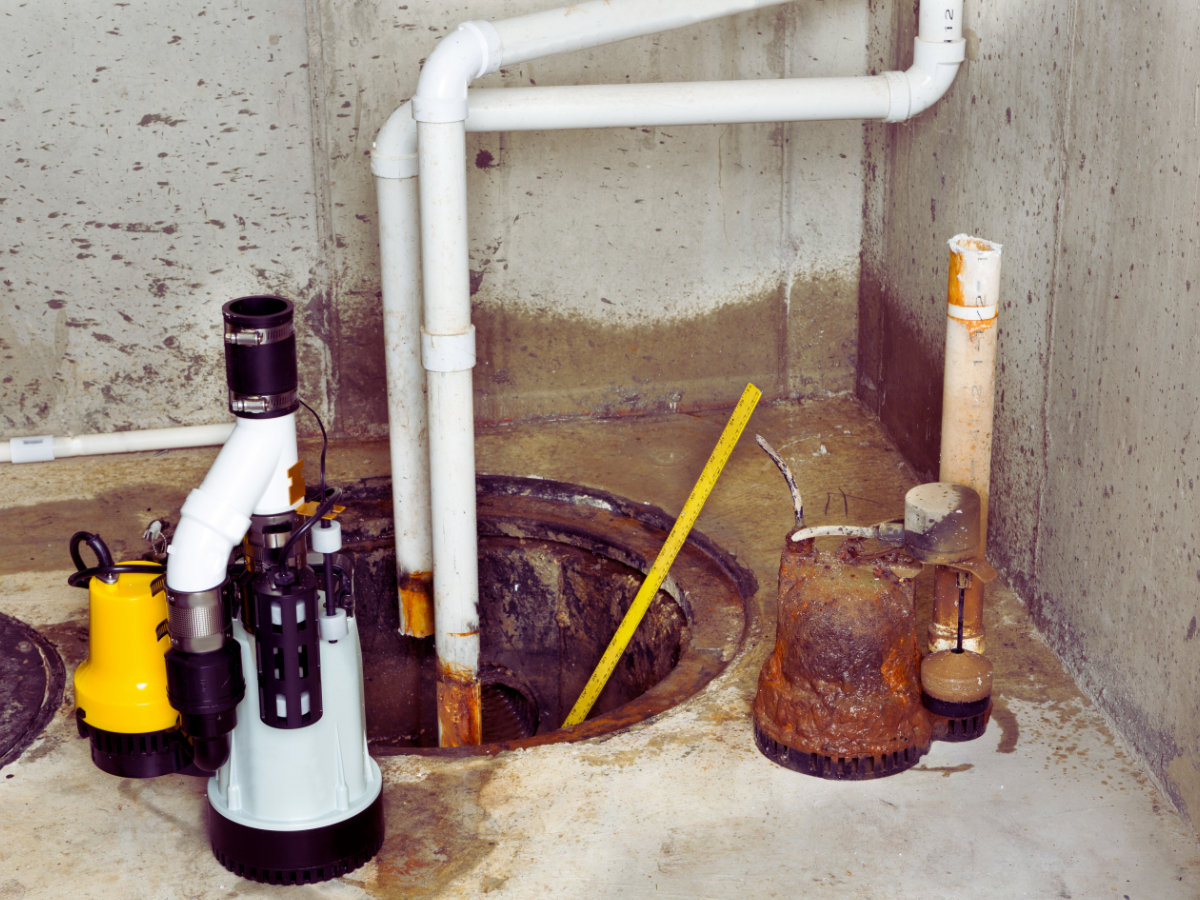 Rust, corrosion, a cracked housing and other types of visible damage can affect your sump pump’s efficiency and reliability and ultimately result in water damage.
7. The Sump Pump Smells Like It’s Burning
If your sump pump is putting off a burning smell, it may have an overheating motor or be suffering from electrical problems. In any case, you should then stop using it as soon as it is safe to do so since the damage that it’s experiencing can worsen fast. It can also be a fire hazard when used while it’s giving off a burning smell.
8. Your Sump Pump Is More Than 7–10 Years Old
If your sump pump is more than 7-10 years old, it may be time to replace it. Even if you have one that’s that age and appears to be working well, keep in mind that it’s more prone to faltering. As a result, you may want to replace it as a preventative move.
9. It Fails the Bucket Test
One of the simplest ways to check your sump pump is to do the bucket test. Pour a bucket of water into your sump pit and see what happens.
Does it activate? Is water being removed? Does it shut off properly following the removal of that water? If the answer to any of these questions is “no,” you should get it inspected.
When Should You Call a Plumber?
There are a few scenarios in which you shouldn’t wait to contact a plumber:
- The water’s backing up.
- Your sump pump won’t start.
- Your breaker keeps tripping because of your sump pump.
- There’s a burning smell.
- Your basement or crawl space is flooding.
- Multiple warning signs are happening at once.
Frequently Asked Questions
How do I know if my sump pump is failing?
There are several ways you can know that your sump pump is likely failing. Examples include it making strange noises, it turning on and off too frequently or running constantly, water not leaving the pit, it vibrating excessively, it giving off a burning smell and visible damage appearing.
Should I repair or replace my sump pump?
If your sump pump isn’t performing as it should or is giving off warning signs, you should get it repaired or replaced. This is especially important if water isn’t leaving the pit or it’s giving off a burning smell.
How often should I test my sump pump?
You should test your sump pump at least once a year although some recommend every 3-6 months in rainier climates, such as what those in Birmingham experience.
Can a sump pump fail without warning?
Sump pumps often give off warning signs, at least its age if it’s 7-10 years old, before failing. That said, yes, sump pumps can fail without warning.
Don’t Wait Until Heavy Rain Exposes a Problem
 Birmingham is a city where flooding is a common concern, and your home’s sump pump is a significant line of defense against that. If you’ve noticed any of these warning signs, reach out to Benjamin Franklin Plumbing, and we’ll inspect your system and recommend repairs or replacement if it needs either.
Our punctual plumbers proudly serve Birmingham homeowners and are ready to protect your house against the next storm.